NASA unveils new telescope prototype for gravitational wave detection
Six such telescopes can find gravitational waves down to picometers.

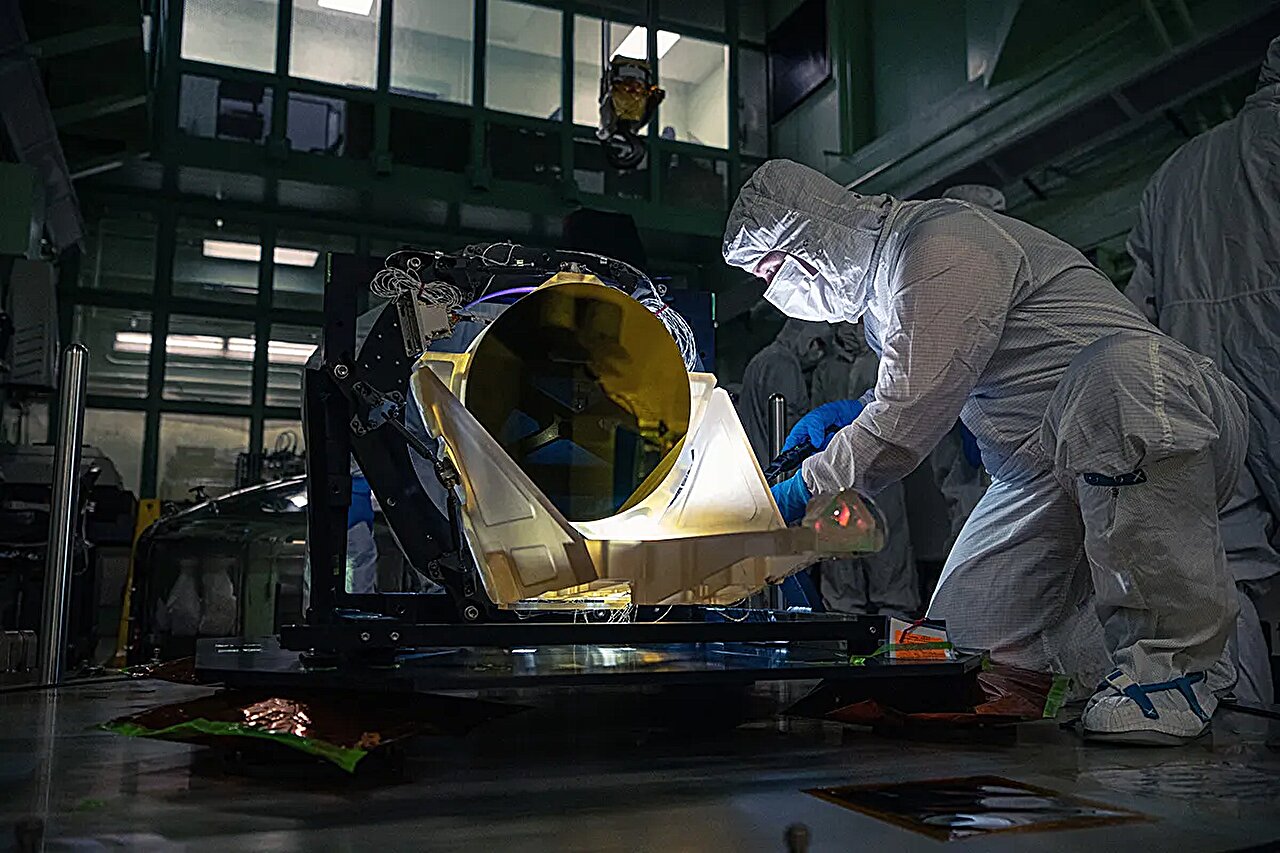
NASA has revealed a prototype telescope for the upcoming Laser Interferometer Space Antenna (LISA) mission, a collaboration with the European Space Agency aimed at detecting gravitational waves from colliding black holes.
The mission will involve three spacecraft arranged in a triangular shape, each carrying two telescopes capable of measuring distances down to trillionths of a meter using infrared lasers.
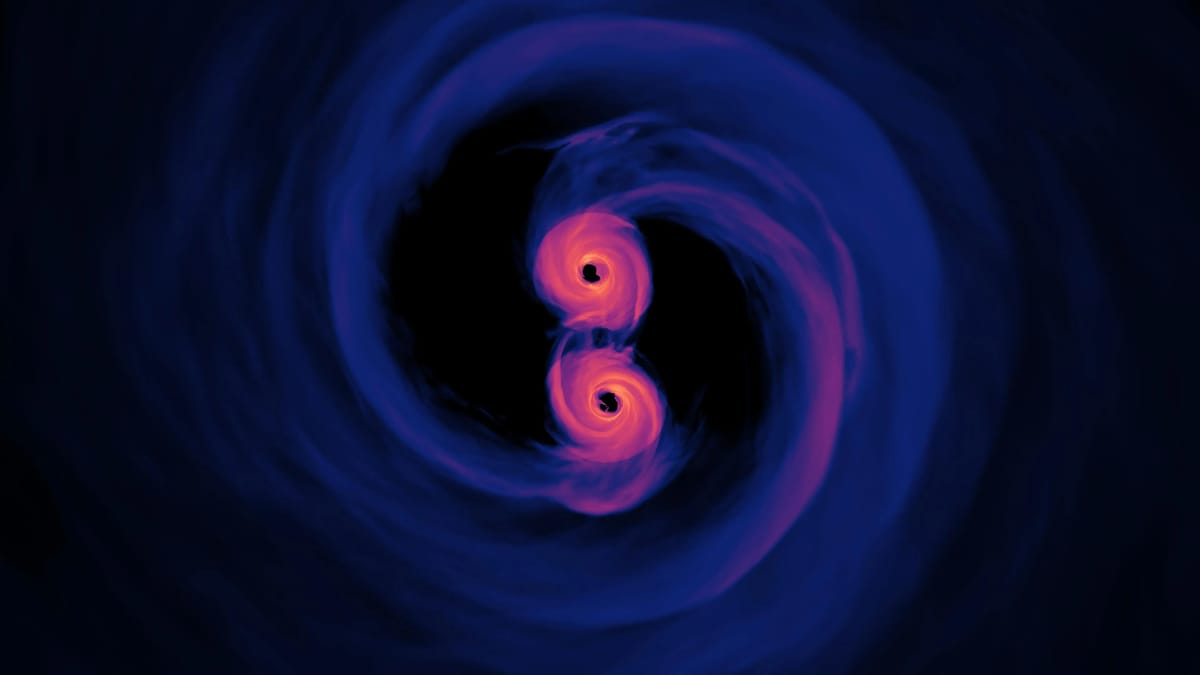
Gravitational waves are created during a collision between two black holes. They were first theorized by Albert Einstein in 1916 and detected almost a century later by the Laser Interferometer Gravitational-wave Observatory (LIGO) Scientific Collaboration from the National Science Foundation, Caltech and MIT.
Scheduled to launch in the mid-2030s, LISA aims to advance our understanding of black holes, the Big Bang, and other cosmic phenomena through gravitational wave detection.